
Australia Speaks
Unguarded: The Story of Alfredo Babini
From Ivah Lynch
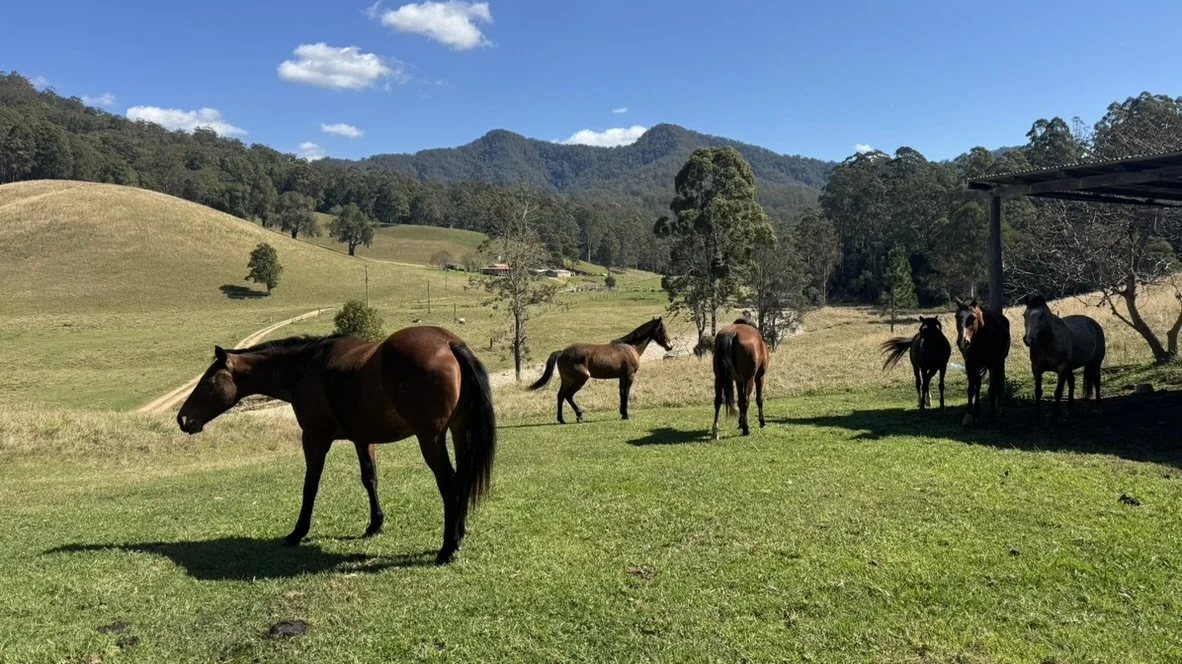
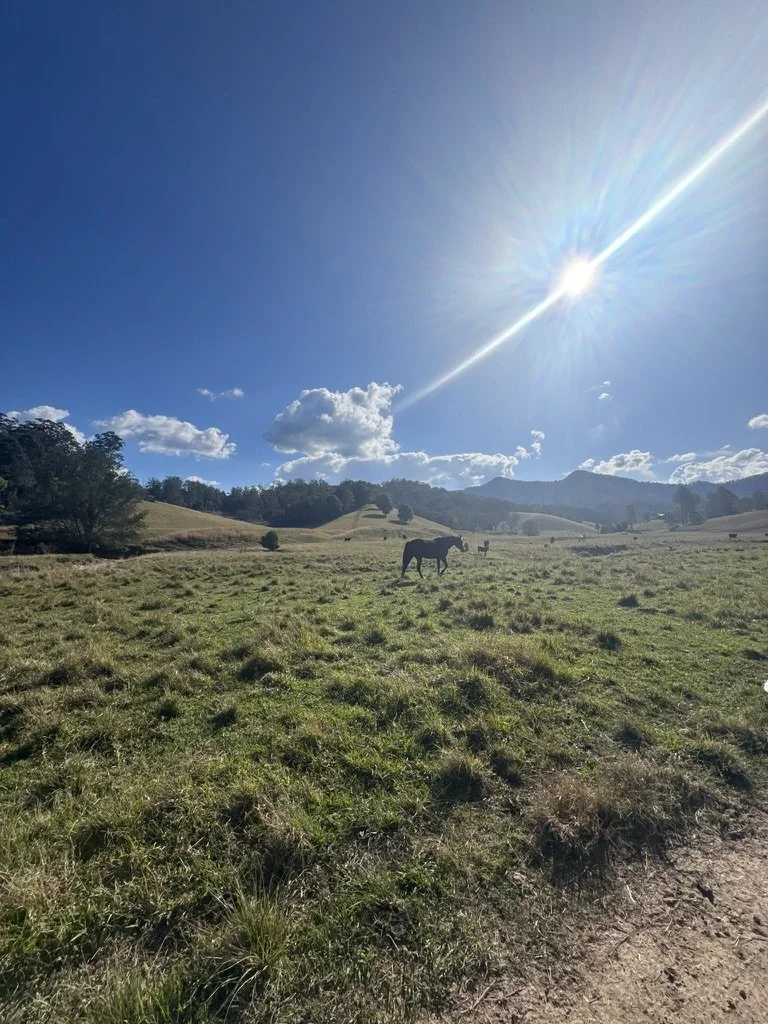
In 1943, Australia began sending Italian prisoners of war to work unguarded on farms battling wartime labour shortages. Among them was Alfredo Babini, transported to a farm in Missabotti, a remote pocket of the Nambucca Valley. This short documentary traces his path from capture to captivity to an unlikely rural exile, asking what it meant to become, almost overnight, less a prisoner than a farmhand. Through archival records and local memory, it explores quiet trust between strangers and how war reshaped ordinary Australian farmland.
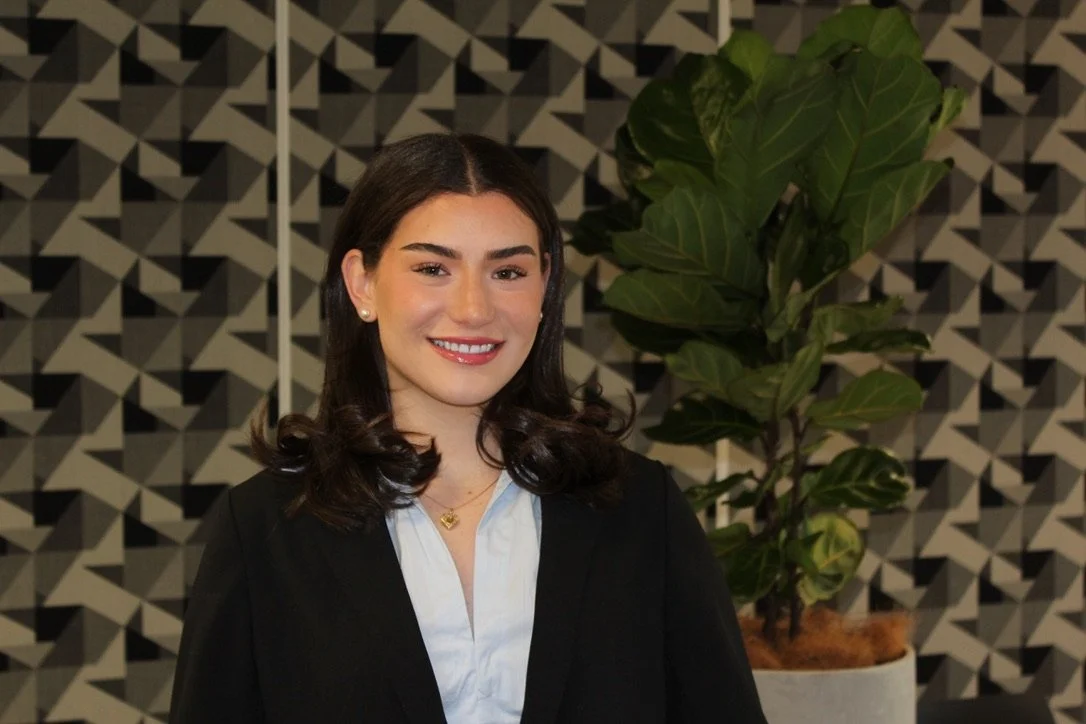
I'm Ivah Lynch, a Bachelor of Communication and Media student at the University of Canberra, majoring in Journalism, Public Relations and Strategic Communication. I currently work in Human Resources and serve as a Youth Advisory Councillor at the U.S. Embassy. My upbringing across Darwin, Papua New Guinea and Canberra has shaped my perspective, drawing me to stories that explore how digital culture and emerging technologies shape our society and political climate.
Why did you choose to tell this story
Most Australians know the broad strokes of WWII, but the stories that slip through the cracks are often the ones that say the most about who we actually are as a country. Alfredo Babini's is one of them: an Italian POW, technically the enemy, sent to live and work almost as a neighbour on a farm in Missabotti, a place most Australians have never heard of and never will. What I hope people take away is that trust can grow in the most unlikely conditions, between a man labelled an enemy. It's a small, human counterpoint to the scale and abstraction of war: proof that even inside a system built on suspicion, ordinary people found their way to something closer to decency. Alfredo Babini's story sits inside a little-known chapter of Australian wartime history, the "unguarded" Italian POW farm scheme. A Missabotti-specific account adds a rare, hyper-local dimension to a national story of roughly 18,000 Italian POWs, offering audiences a personal lens on how rural communities quietly absorbed former enemies as neighbours and labourers.
What do you hope audiences take away from your project
A man captured as an enemy soldier ends up living and working alongside the very family whose men may have been fighting people like him overseas, and somehow the arrangement builds into something resembling trust rather than tension. It's a reminder that policy on paper (an "unguarded" prisoner assigned to a farm) and what actually happens between people under one roof for months or years can turn out to be two very different stories, which is exactly the kind of human detail that turns a wartime statistic into a story worth telling.