
Australia Speaks
Between the Flags
From Kenya Woodborne
When fear outpaces fact, who pays the price? Between the Flags dives beneath Australia's shark net debate to ask whether one of our most iconic beach safety measures is protecting swimmers — or simply protecting a myth. Between the Flags is a factual, interview-driven project that uses the recent spike in shark encounters along the NSW coastline as a starting point to examine a much bigger question: how has fear shaped our relationship with sharks, and are the policies built on that fear actually keeping us safe? By weaving a variety of interviews together, the project avoids a one-sided lecture and instead builds a layered, credible case — allowing the audience to arrive at the same questions the project is asking, rather than being told the answers outright. The project takes its name from the flags that mark safe swimming zones on Australian beaches — a symbol of protection and trust. It asks whether shark nets deserve the same trust, or whether they are a reassuring symbol more than an effective safeguard. Rather than dismissing public concern, the project takes it seriously. Recent attacks are real, and the fear they generate is real. Between the Flags uses that urgency as an entry point for a considered, evidence-based conversation — not a reactive one.
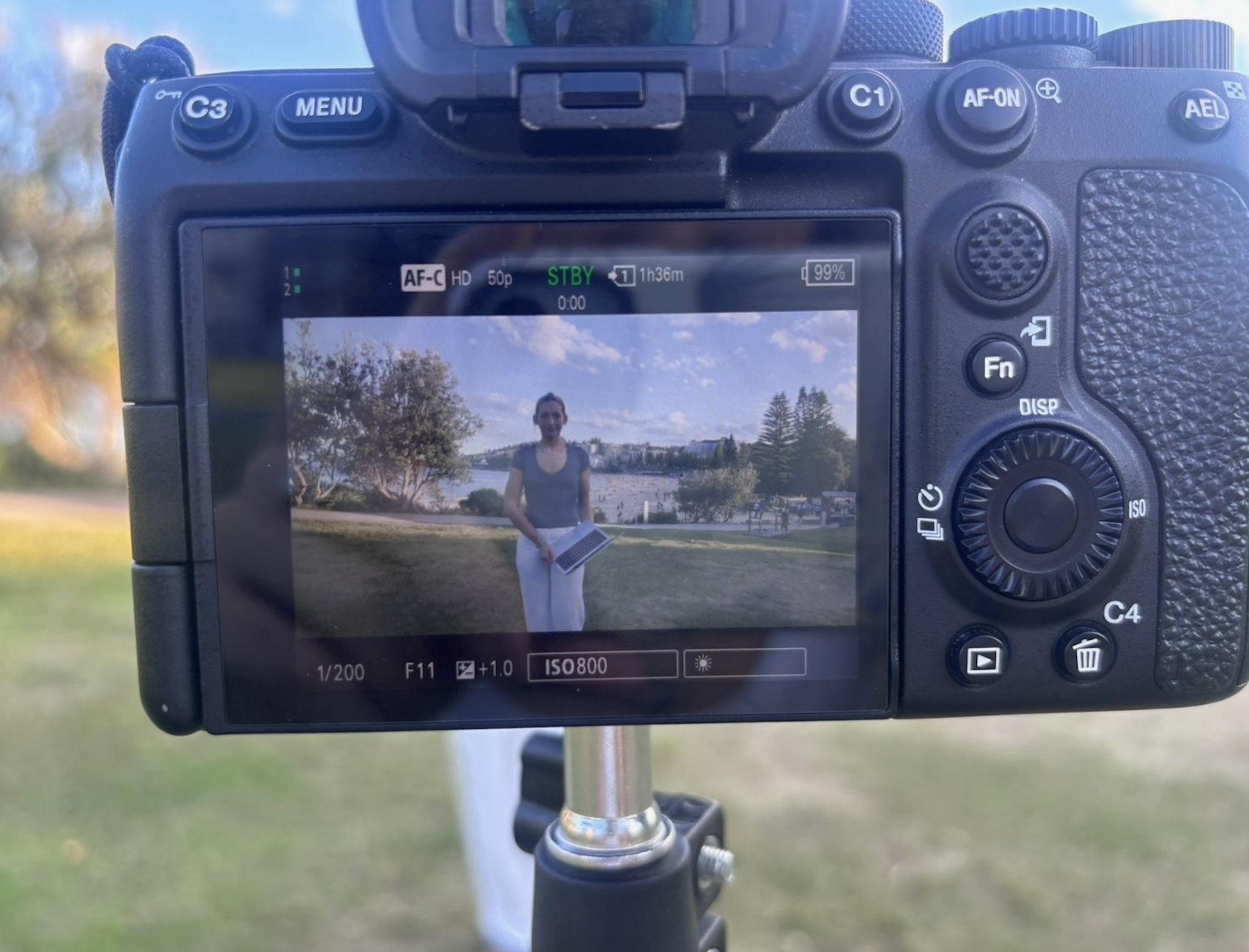
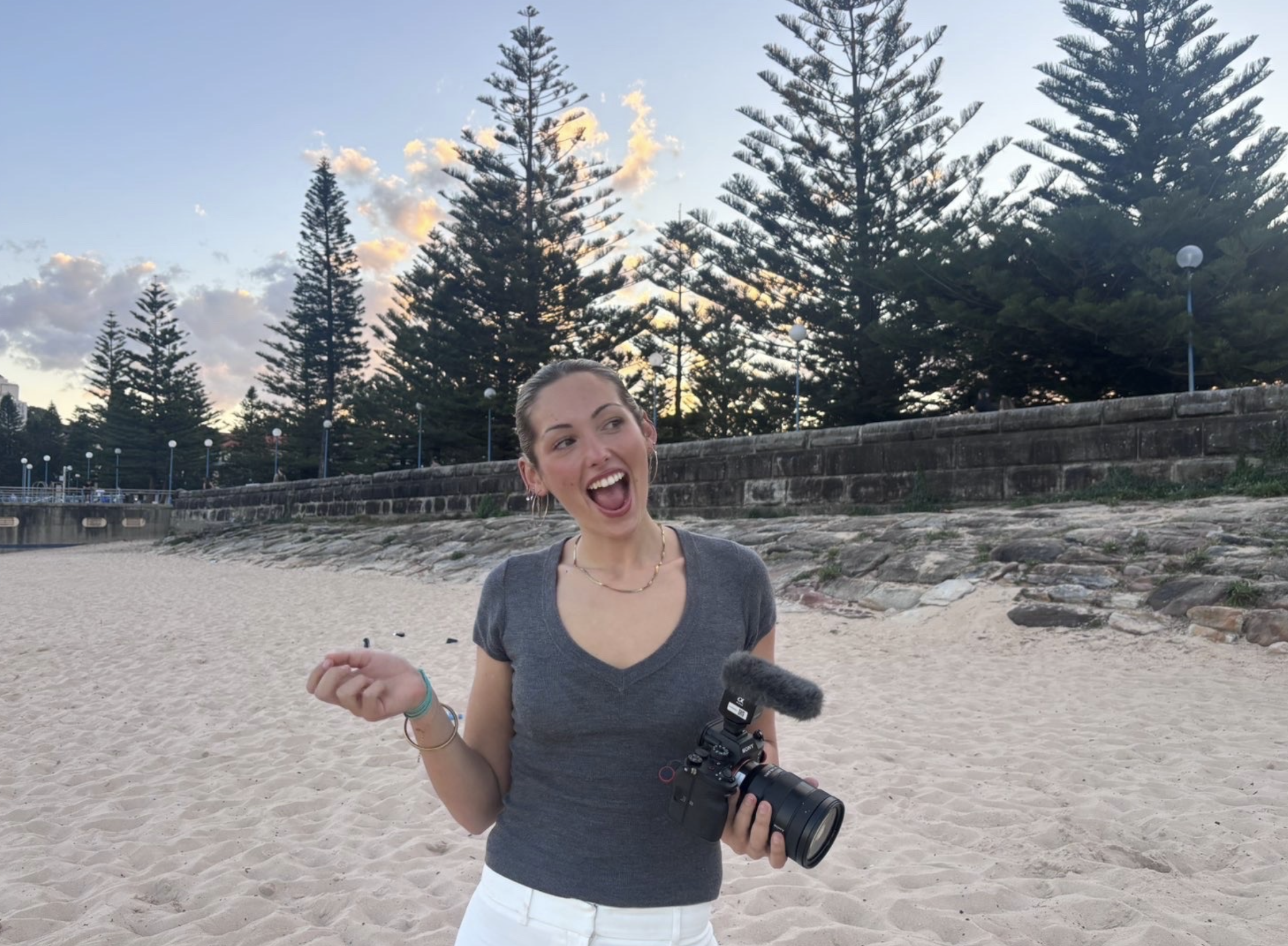

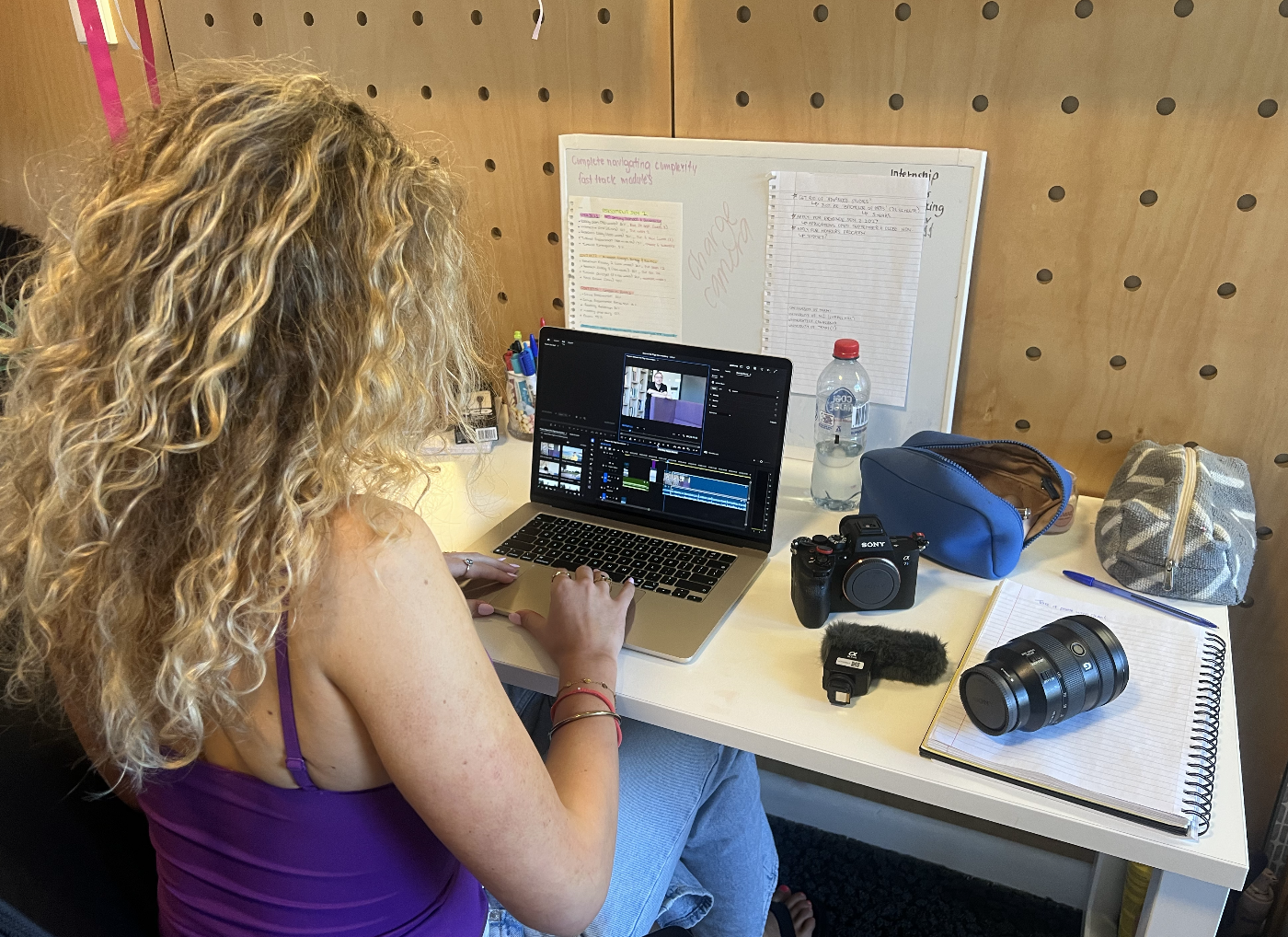

Kenya is a second-year Dalyell Scholar at the University of Sydney, pursuing a Bachelor of Arts/Advanced Studies with a double major in International Relations and English. Born in South Africa, Kenya’s early life was shaped by the experience of migration and resettlement in rural Queensland. Driven by an aspiration to engage meaningfully with the world beyond the classroom, Kenya undertook a gap year marked by international volunteering and professional pursuits. Having since relocated to Sydney to pursue further academic study, Kenya remains committed to scholarship and service at the intersection of politics, literature, and a broadened global understanding. She is the White Family Scholarship recipient at St Andrew’s College and dedicates her spare time to sporting and cultural pursuits within the college community. Her passions lie within the domain of socio-political issues, with a deep interest in human rights, international diplomacy, and both domestic and foreign policy.
Why did you choose to tell this story
With a recent rise in shark encounters dominating headlines and public anxiety, the debate over shark nets is more politically and emotionally charged than ever. This moment of heightened attention is precisely why Between the Flags matters: it is an opportunity to redirect public energy away from fear-driven reaction and toward informed, constructive dialogue — before policy is shaped by panic rather than evidence.
What do you hope audiences take away from your project
The project has two goals, sequenced deliberately: 1. 2. Start a healthy, topical conversation about sharks — one that acknowledges public fear without being driven by it and reframes sharks as a species to understand rather than an enemy to defend against. Build the case against shark nets as a scientifically and biologically viable solution and open the door to evidence-based alternatives (such as SMART drumlines, drone surveillance, tagging and real-time alert systems) that have shown greater effectiveness with far less ecological cost. Ultimately, Between the Flags aims to shift public discourse from reactive fear to informed advocacy — encouraging audiences to see shark safety policy as a solvable problem rather than an unavoidable trade-off.