
C12. Best Cinematography (Nominee)
Where the Rain Goes
From Alastair Bruce
In Western Australia's Wheatbelt, farmers are losing something they can't replace: water. The winter rains are dropping off, the seasons are shifting, and the crops that whole communities depend on are getting harder and harder to grow. Where the Rain Goes follows the farmers, knowledge brokers and scientists chasing a way to make every drop count - a biodegradable spray, grown from bacteria, that stops rain from evaporating and steers it straight to the seed. But can this idea scale up to millions of hectares of farmland?
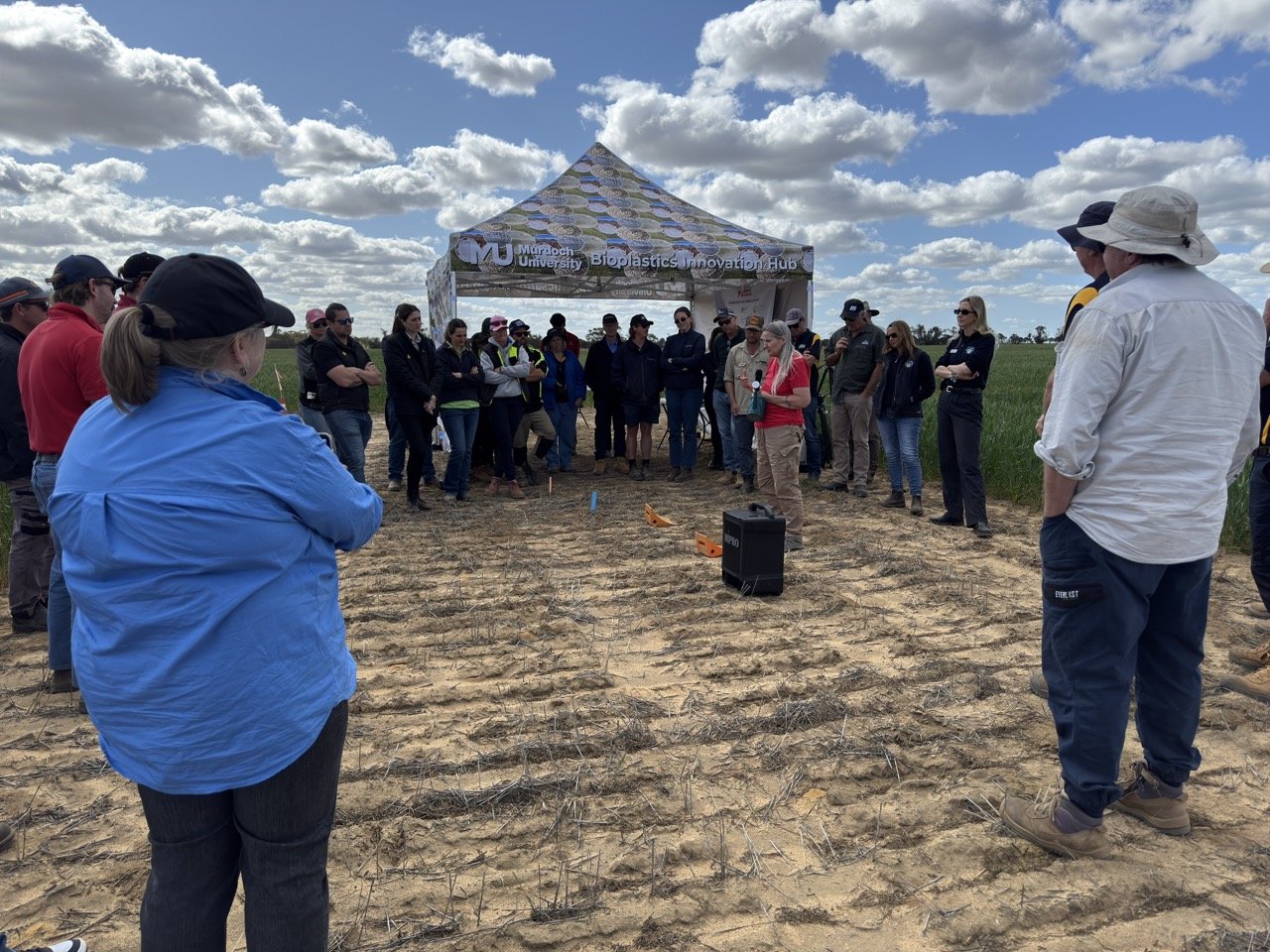
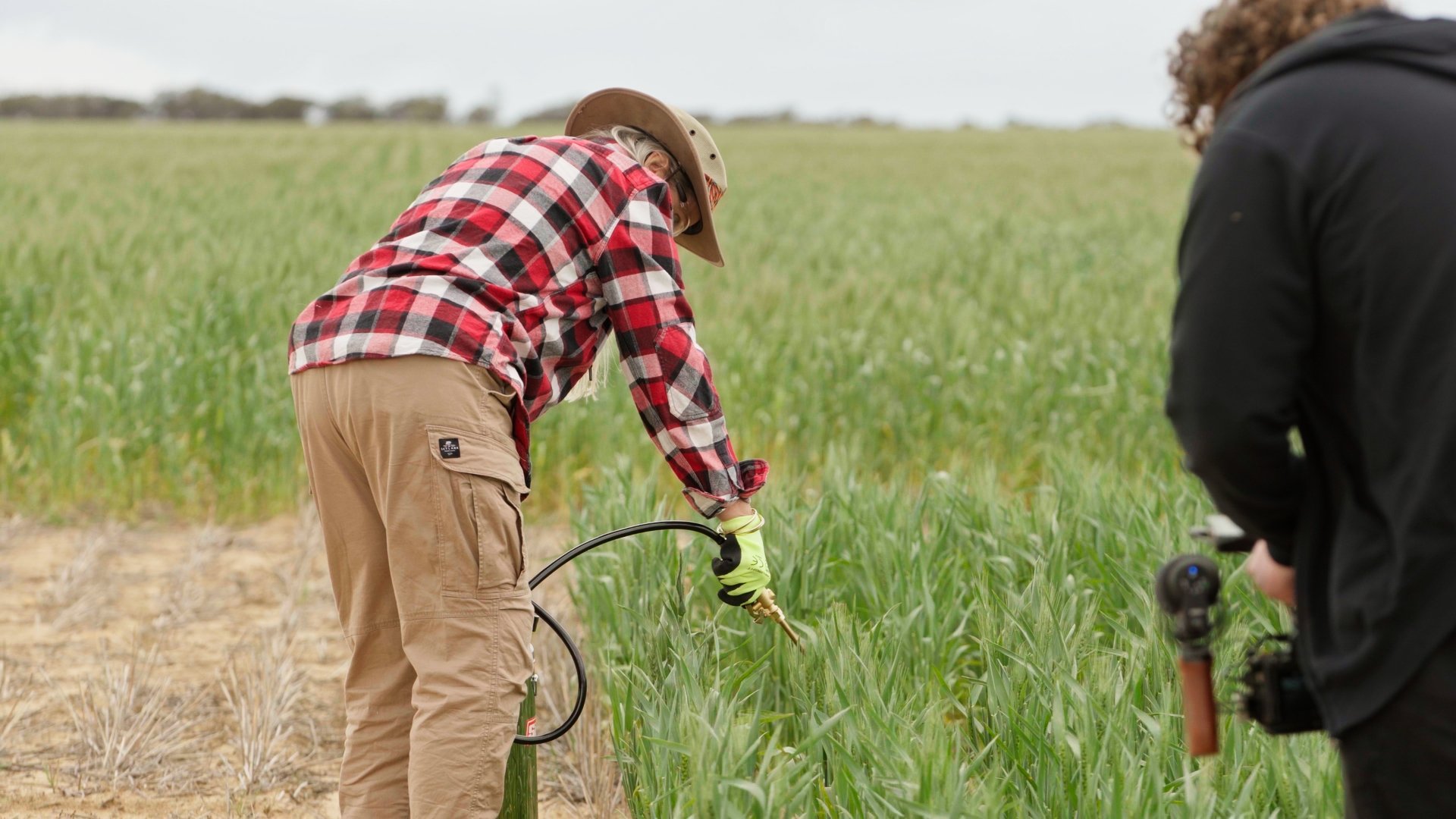
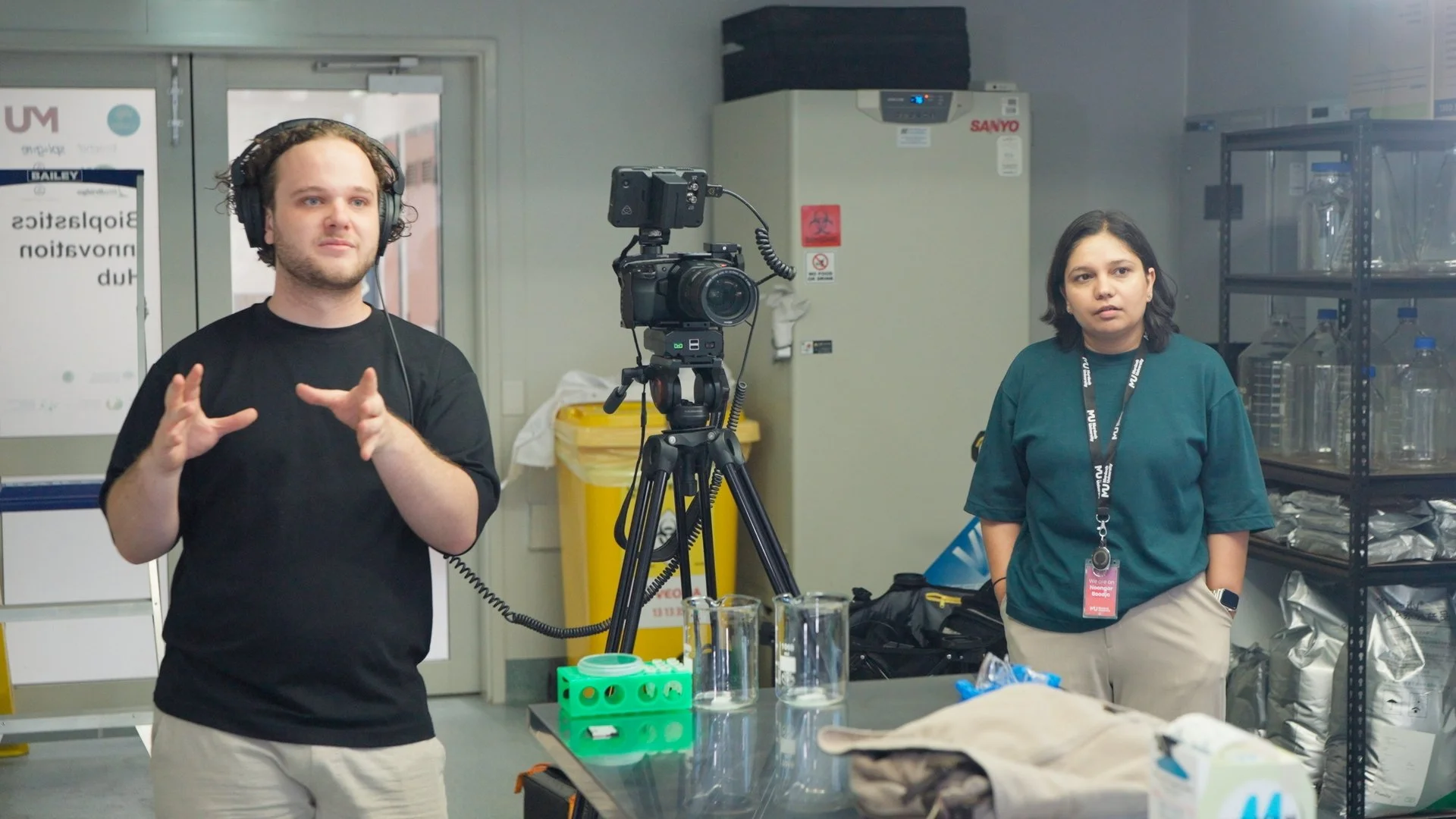
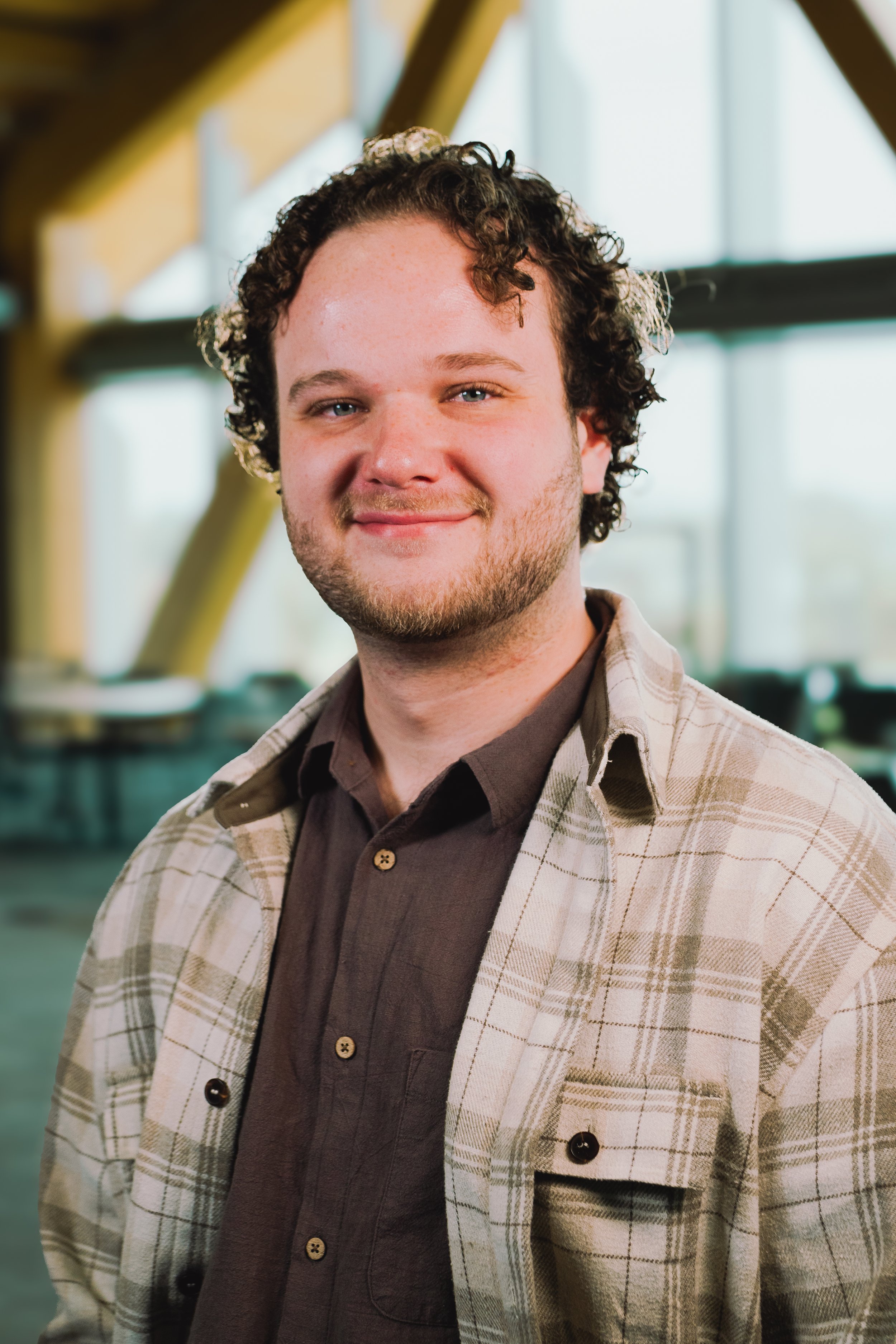
Hey there! My name's Alastair Bruce, and I'm a documentary filmmaker from Perth, Western Australia. I work alongside the communications team at Murdoch University, where I help produce Bright Lights - a series of short documentaries that translate complex scientific research into accessible, visually driven stories. Where the Rain Goes is part of that series, which has been shortlisted for Best Cinematography. I have always loved the natural world, and there's something special about bringing people in to see the science rather than just hear about it. It's a privilege to help researchers share the work they care so deeply about.
What inspired you and your work?
The overarching Bright Lights series that "Where the Rain Goes" is part of was heavily inspired by my connection to YouTube, and the power it has to communicate across the globe. I was drawn to channels like Freethink and Vox and their ability to translate scientific research into engaging short videos enjoyed by millions. Growing up in the Southwest of Western Australia, surrounded by farming families, I saw first-hand just how much impact we have on the environment, but also the impact of the hard-working scientists and conservationists who have dedicated their lives to protecting it. A lot of that work is overlooked by most people, and it often comes down to poor communication. So the mission of Bright Lights is to create a format that can be enjoyed by many, rather than seen by a few, and to make sure the people doing this work, and the communities who depend on it, actually get heard.