
C1. Best Cinematography (Nominee)
Bo's Diary
From Isabel James
A lonely teenage boy finds a lost diary and falls for the girl he imagines wrote it, until her real self starts to get in the way…
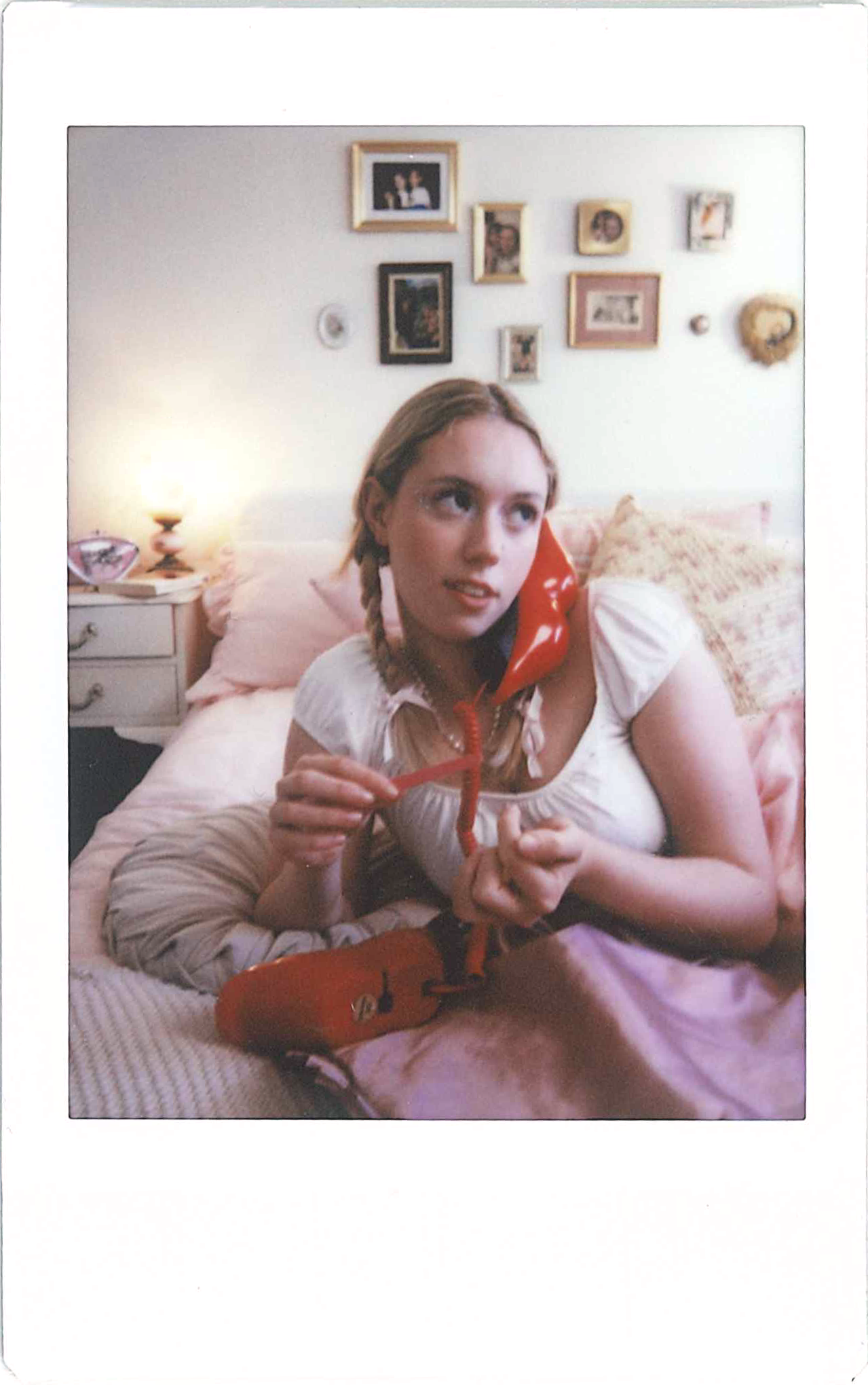
Cooper’s life consists mostly inside his bedroom and inside his head. School is dull and life feels like something he has to simply drift through before getting to experience the real thing. Until Cooper discovers a lost artifact: the diary of a girl named Bo. In his imaginary world (and on screen), they fall in love. In his mind, he isn’t just reading her diary, he’s having real conversations with her. Sometimes they’re together in his world of leafy streets and his messy bedroom, making it a little less lonely. Other times they’re in her bombastic, kitsch, pastel coloured world, where for once, everything feels exciting. To Cooper, she is real, and someone who finally understands him.
Until Bo starts to withdraw, seemingly resenting the way he looks at her. Their relationship is getting complicated, and Bo calls Cooper’s real life behaviour into question. The fantasy is beginning to crack. And then, it shatters, when Cooper catches a glimpse of the real-life Bo in the street with her friends. But she isn’t the Bo he knows. She looks different, dresses different, acts different. She’s shy and regular, like him. She doesn’t know Cooper, and she definitely doesn’t love him. Staring at the real girl, who now stares back at him in unrecognition, Cooper realises that his fantasies were selfish, and that to finally experience the real thing, he needs to stop isolating himself from the real world and everyone in it. So, Cooper returns the diary to the stranger and leaves her be, choosing to let go of his dreams of someone who never existed.
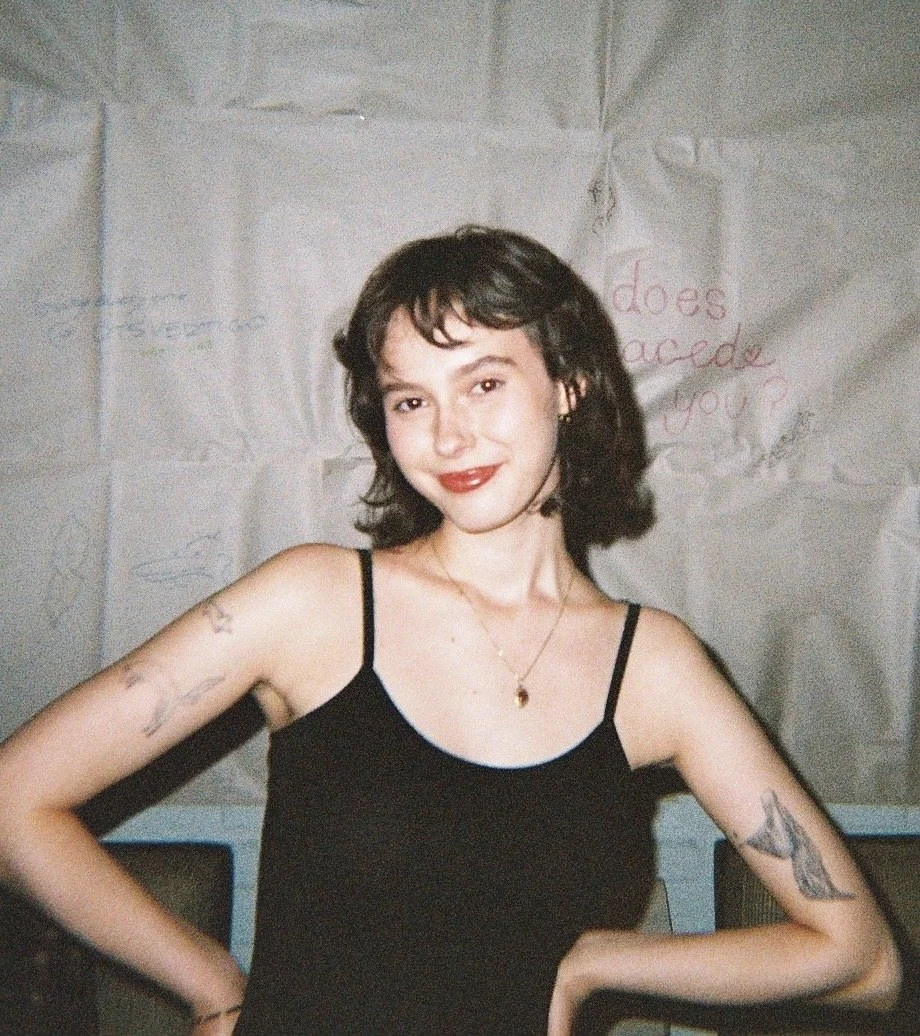
Isabel James is a writer, director, and recent Media Arts and Production and Writing and Publishing graduate from the University of Technology Sydney. Isabel takes great joy in creating small stories about eccentric characters, and on-screen worlds with exaggerated and distinct aesthetic personalities. Isabel's dedicated passion for cinematography and camera operation has influenced her visual-focused, detail-oriented directing style, while her years of creative writing and theatre experience have only made her fonder of screenwriting and the craft of performance. She loves sentimental coming-of-age movies and experimental horror (and loves that this is an amusingly bizarre combination of interests). Isabel is the former Managing Editor and Creative Writing Editor for UTS Vertigo Magazine, and now works at a major book publisher in Sydney. This is her first narrative short film, and she is excited to see where future projects take her.
What inspired you and your work?
This film is at its core about how women are often seen in media and by their romantic partners as ideas instead of people. It’s a personal story derived from my feelings of frustration about how patriarchal dynamics subconsciously and subtly permeate male/female relationships. I chose to express this particular idea as a coming of age that relishes in the charming immaturity of the teenage experience, because I think these gendered dynamics are heightened in adolescence, when love feels like a prize to win over insecurity, and we often selfishly desire someone to make us feel special. It's confronting to see yourself through the eyes of another person, especially in the context of a teenage relationship where neither person's sense of self is yet robust. I first conceived of this project when I was around the same age of the characters, and wrote Bo as a means to playfully express the dissociative feeling of being a young woman, feeling swallowed up by the desire projected upon you by a man who doesn't really know you at all. The film plays into magic realism territory at times, as Cooper’s fantasy of Bo moves between his imagination and the real world, blurring these lines in the same way that lines are blurred between real girls and what we dream them to be.
Bo’s Diary’s dreamy, kitsch, nostalgic aesthetics of girlishness and teenage brooding takes major notes from the work of Petra Collins, and of course, Sofia Coppola. Although I hadn’t yet watched The Virgin Suicides when making this film (and once I did I understood why everyone liked to draw that comparison), each Coppola picture I had seen, from Priscilla to Lost in Translation to Marie Antoinette played a special role informing my creative outlook at different stages of the process. The heavily stylised production design, which was a crucial element which informed pretty much everything else, was inspired by coming of age films and the classic John Hughes teen romances of the 1980s, particularly in the way that they style teen’s bedrooms as a hive of their personality and interests. However, my biggest and most consistent touchstone, from the way Bo’s Diary was composed, set dressed, and edited, was Richard Ayoade’s Submarine (2010), which holds a unique place as the film that most influenced my teenage imagination, and continues to be perfect in my eyes.